
HyperX Cloud II Review: Comfort, Clarity, and Value in a Legendary Gaming Headset
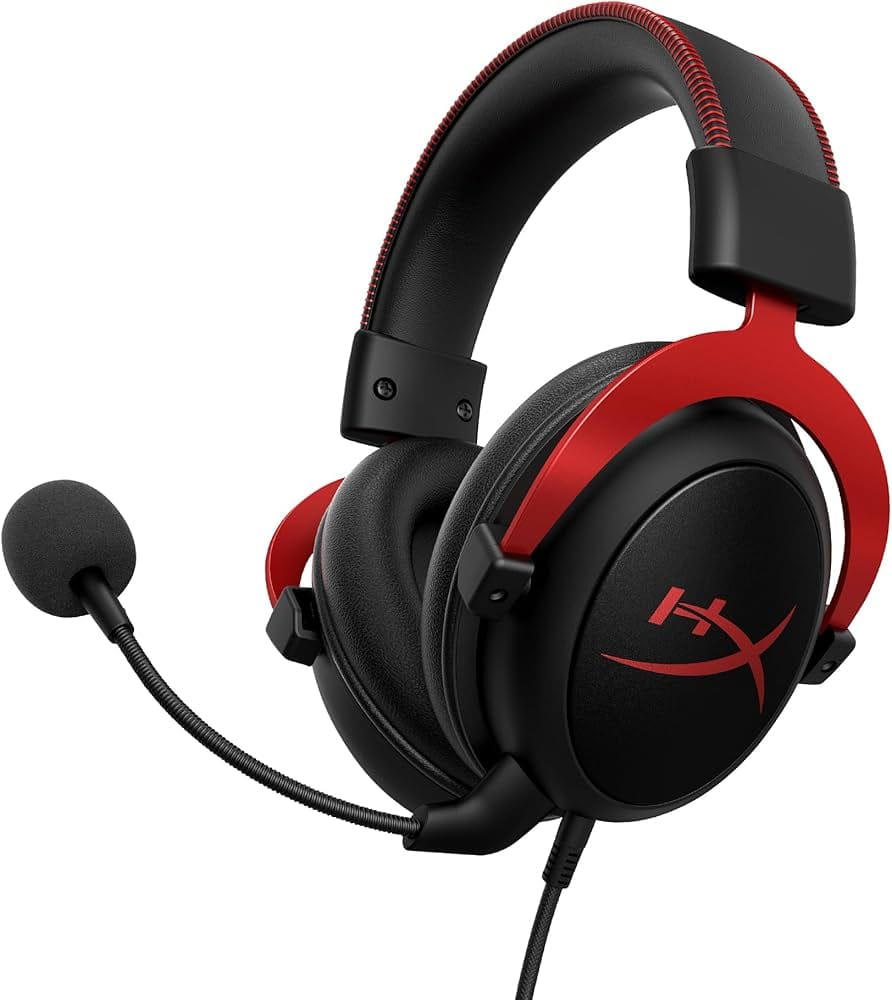
Introduction — The HyperX Cloud II has been a fixture on best headset lists for years, thanks to its blend of comfort, reliable sound, and approachable pricing. This review takes a fresh look at what the Cloud II offers modern gamers across PC and console, from virtual 7.1 surround via the USB control box to the bulletproof aluminum frame and a clear, detachable mic. If you want a wired headset that just works without software fuss, this is a compelling place to start.
Key Features and Specifications
The HyperX Cloud II is designed to be a dependable, plug-and-play gaming headset with a feature set that covers the essentials most players actually use. Rather than chasing gimmicks, it leans on proven drivers, a rugged chassis, and a simple USB sound card that adds virtual surround on PC and Mac. Here’s a detailed look at its core capabilities and tech specifications.
- Drivers: 53 mm neodymium dynamic drivers engineered for gaming clarity and impactful low end.
- Frequency response (headset): approximately 15 Hz – 25 kHz (manufacturer-rated).
- Impedance: around 60 Ω, suitable for PC, console controllers, and most laptops/phones with a 3.5 mm jack.
- Sensitivity: roughly 98 ± 3 dB SPL (manufacturer-rated), enabling high output without excessive amplification.
- Total Harmonic Distortion (THD): typically ≤ 2% (manufacturer-rated) for clean playback at normal volumes.
- Microphone: detachable, noise-reducing electret condenser mic; unidirectional pickup; frequency response about 50 Hz – 18 kHz; flexible boom with pop filter.
- Connections: 3.5 mm TRRS analog for universal compatibility; USB audio control box adds an inline DAC/amp with virtual 7.1 surround for PC/Mac and a convenient hardware mute/volume module.
- Compatibility: PC, Mac, PlayStation (via USB or 3.5 mm), Xbox (3.5 mm analog only), Nintendo Switch (handheld docked via 3.5 mm), and mobile devices with a 3.5 mm jack or adapter.
- Controls: Inline USB module with master volume, mic volume, mic mute, and a single-touch 7.1 toggle.
- Build materials: aluminum frame, memory foam ear cushions with leatherette covering, padded headband with stitched accents. Many retail packages include an extra set of fabric/velour earpads (availability may vary by region and revision).
- Cables: braided cable on the headset; detachable USB control box/extension for PC use; generous overall reach for desktop setups.
- Weight: approximately 320 g (headset) and around 350 g with mic attached.
What stands out is the balance: a straightforward analog headset you can use anywhere, plus an optional USB dongle that unlocks virtual surround and convenient controls on PC without requiring software. For students, LAN party attendees, or anyone who moves between platforms, this flexibility is a highlight.
Performance and Sound Quality
The Cloud II’s sonic profile aims squarely at gaming needs: articulate mids for voices, a touch of elevated treble for footsteps and spatial cues, and enough bass to give explosions and engines satisfying weight without smothering detail. It is a deliberately gamer-friendly tuning that favors clarity in competitive scenarios and immersion in single-player campaigns.
Stereo performance: In pure stereo via 3.5 mm, the 53 mm drivers deliver crisp dialogue and a pleasantly energetic, slightly V-shaped sound. The midrange avoids the hollow sound some gaming headsets exhibit, so character voices and radio comms are intelligible even at modest volumes. Bass is punchy rather than boomy; low-end notes remain controlled, which helps preserve texture in complex firefights and orchestral scores.
Virtual 7.1 surround: When you connect the USB control box and enable the 7.1 button on PC or Mac, the DAC applies virtualization that expands the soundstage and pushes effects outward. In tactical shooters, this can make rear and lateral cues easier to sort, though it’s still a DSP effect—purists may prefer the stereo image for the most accurate left-right imaging. The Cloud II’s 7.1 mode is tasteful: it adds width and a bit of depth without turning the mix into a reverb wash. Your mileage will vary by game engine and mix.
Positional audio and imaging: Thanks to the slightly bright top end, subtle cues like reloads, rustling, and distant footsteps cut through busy scenes. Imaging is tight enough that you can track movement across the field with confidence. Open-back audiophile headphones still win for air and stage size, but among closed-back gaming headsets, the Cloud II competes admirably, especially at its price.
Music and movies: For music, the Cloud II is enjoyable if not reference-grade. Rock, EDM, and pop benefit from its snappy bass and lively highs; more neutral genres (jazz, acoustic, classical) will expose its colored tuning. That said, it avoids harshness unless you push the volume very high. Movie watching is excellent—dialogue clarity and dynamic effects deliver that cinema feel, particularly with 7.1 virtualization engaged.
Microphone quality: The detachable mic is clean and concise for team chat and streaming in a quiet room. It emphasizes intelligibility over warmth, keeping sibilance in check better than many rivals. Plosives are mitigated by the included foam windscreen, though heavy breathers may still want to adjust boom placement. It isn’t broadcast-grade—the Cloud II won’t replace a standalone XLR mic—but for Discord, in-game VOIP, and Zoom, it’s dependable and consistent.
Noise isolation and leakage: Passive isolation is solid thanks to the leatherette pads, making it easier to focus in shared spaces. There’s minimal outward leakage, so late-night sessions won’t disturb roommates. There is no active noise cancellation (ANC), which is typical at this price point.
Suggested EQ tweaks (optional):
- Reduce 100–150 Hz by 1–2 dB if you find bass a bit thick in dialogue-heavy games.
- Boost 2–4 kHz by 1 dB for extra vocal presence if team comms sit too far back.
- Tame 7–8 kHz by 1 dB if cymbals or sharp S sounds feel fatiguing in long sessions.
Overall, the Cloud II hits the target many gamers care about most: intelligible, energetic sound that helps you play better and enjoy more, without requiring software, drivers, or endless tweaking to get there.
Design and Build Quality
The Cloud II’s industrial design is iconic for a reason. It blends understated styling with sturdy materials and a focus on long-session comfort. The black-and-red colorway is instantly recognizable, but the headset also ships in more neutral tones depending on the edition.
Frame and durability: The aluminum headband and yokes give the Cloud II a reassuring rigidity, eliminating creaks and flex that plague cheaper plastic designs. The braided cable stands up well to desk snags and travel. After years on the market, the Cloud II has a track record for longevity; pads and mics are user-replaceable, and community support for spares is strong.
Comfort: HyperX’s signature memory foam pads are plush and form a decent seal without aggressive clamp. The headband distributes weight evenly, and at around 320 grams the Cloud II is mid-light for a closed-back design. Most users report they can wear it for multi-hour sessions without hot spots. Leatherette pads isolate better and feel cushy; many packages include a velour/fabric set for cooler airflow, though isolation drops slightly.
Controls and usability: The USB control box adds an in-line remote with tactile buttons for volume, mic volume, and a 7.1 toggle. The mute switch is easy to find by touch, and a small LED confirms mic status. There’s no companion software—everything is hardware-driven—so setup is trivial. Console users can skip the USB box entirely and go 3.5 mm into the controller for instant stereo.
Portability and daily use: The headset folds flat enough to slip into a backpack, and the detachable mic prevents accidental bends. While it’s not a travel headphone in the commuter sense, its passive isolation and rugged chassis make it a reliable companion for LAN events and dorm life.
Pros and Cons
Here’s a frank look at what the HyperX Cloud II does best—and where it leaves room for improvement.
- Pros
- Comfort-first design with plush memory foam and even clamp pressure.
- Clear, energetic sound tuned for gaming cues; strong positional awareness.
- Detachable, dependable microphone that keeps team chat intelligible.
- USB control box with virtual 7.1 surround on PC/Mac and easy hardware controls.
- Rugged aluminum frame and braided cable for long-term durability.
- Works across PC, PlayStation, Xbox (analog), Switch, and mobile.
- No software required—true plug-and-play simplicity.
- Frequently discounted, delivering excellent price-to-performance.
- Cons
- Wired only—no Bluetooth or 2.4 GHz wireless option in this model.
- Virtual 7.1 is game-dependent and won’t appeal to stereo purists.
- Mic is good for chat, but not a replacement for a dedicated streaming mic.
- Leatherette pads can run warm in hot climates during very long sessions.
- USB dongle features may not be fully supported on Xbox; best used via 3.5 mm.
- Sound signature is lively rather than neutral; audiophiles may prefer flatter cans.
Value Proposition and Pricing
One of the Cloud II’s enduring strengths is how consistently it punches above its price class. With an MSRP historically around the $99 mark, it frequently dips into sale territory. At common street prices, it competes fiercely with headsets costing substantially more because it nails the fundamentals: comfort, clarity, build, and cross-platform flexibility.
What you’re paying for: a proven driver platform, a sturdy and repairable chassis, a genuinely useful USB control box, and a mic that you can trust for nightly squad play. You’re not paying for flashy RGB, proprietary software ecosystems, or feature bloat you may never use. That focus is precisely why the Cloud II ages well; its core value hasn’t changed because those fundamentals are evergreen for gaming.
Who gets the best value: PC gamers who want virtual surround without managing software profiles; console players who care about comfort and clear team chat; and anyone who prefers the reliability of wired audio. If you see the Cloud II discounted, its price-to-performance ratio becomes hard to beat—even versus newer models.
Where the value tapers: If wireless convenience is a must, or if you’re chasing top-tier microphone processing for streaming, you’ll find better fits elsewhere (often at higher cost). Still, as a daily-driver wired headset, the Cloud II remains a superb buy.
Comparison with Alternatives
Shopping smart means weighing the Cloud II against close competitors. Here’s how it stacks up with popular alternatives at similar price points.
- HyperX Cloud Alpha (wired): The Alpha refines the Cloud formula with dual-chamber drivers that better separate bass from mids, producing a cleaner low end. If you listen to music as much as you game, the Alpha’s slightly more balanced tuning can be worth the small premium when prices are close. Comfort and build are comparable. If the Alpha is on sale near the Cloud II’s price, it’s the better all-rounder; if not, the Cloud II remains the value pick.
- Razer BlackShark V2 (wired): Lightweight and comfortable with a great passive seal, the BlackShark V2 includes a USB dongle and THX Spatial Audio software on PC. Its mic is competitive and its tuning is gamer-friendly. However, it leans more on software for its best tricks. If you like to tinker with EQ and profiles, the BlackShark V2 is excellent; if you want hardware simplicity, the Cloud II’s no-software approach is cleaner.
- Logitech G Pro X (wired): Famous for Blue VO!CE processing, the G Pro X can deliver studio-like chat quality—when the software is active on PC. Comfort and build are solid, but clamp can feel stronger on some heads. If broadcast-style voice is a priority for streaming or remote work, the G Pro X is compelling; if you don’t want to rely on software, the Cloud II’s out-of-box experience is easier.
- SteelSeries Arctis (Nova 1/3/5 family): SteelSeries headsets are known for comfort and a wide, open sound. The wired Nova 1/3 compete closely on price. They offer excellent mics and modern aesthetics, with software-enabled features on PC. The Cloud II’s edge is the included USB control box with instant virtual surround and its proven durability. Choose SteelSeries if you prefer their fabric headband feel and software suite; choose Cloud II for hardware simplicity and ruggedness.
- Corsair HS65 Surround: This headset comes with a USB dongle and software-driven surround on PC. It’s light and comfortable, with a clear mic. Sound is balanced, though bass can be a little restrained without EQ. If you find the HS65 at a discount, it is a close competitor; the Cloud II still wins on out-of-box punch and its established track record.
- HyperX Cloud II Wireless: If you love the Cloud II’s sound and comfort but want freedom from cords, the wireless version delivers 2.4 GHz connectivity, onboard controls, and long battery life. It costs more and is PC/PlayStation focused, but it’s the direct upgrade for cable-free setups. Expect similar tuning, slightly different stage, and the convenience of no wires.
- A budget audiophile combo (open-back + boom mic): A pair like the Philips SHP9500 with a clip-on mic can beat the Cloud II for airy soundstage and music listening, but you’ll lose isolation and leak sound—bad for shared spaces. For pure competitive play in a quiet room, it’s a fun alternative; for general gaming anywhere, the Cloud II is more versatile.
In short, the Cloud II’s competitive advantage is how little you need to do to make it sound good and work everywhere. Other headsets can surpass it in specific areas—software features, mic processing, or wireless convenience—but few match its balance of strengths at its frequent sale prices.
Who Should Buy This Product
The HyperX Cloud II is an easy recommendation for a wide swath of gamers, especially those who prioritize comfort, clarity, and simplicity over cutting-edge features.
- Multiplatform players who split time between PC and consoles and want one headset that works seamlessly via 3.5 mm and USB.
- Competitive and tactical gamers who value crisp positional cues, intelligible comms, and a tuning that highlights footsteps and reloads.
- Students and remote workers who need a headset that doubles for meetings with a reliable mic and passive isolation.
- Value-focused buyers who prefer to spend on proven fundamentals—comfort, sound, build—over flashy extras.
- Anyone who dislikes software bloat and wants a true plug-and-play experience with hardware controls.
Consider looking elsewhere if you need cord-free convenience (step up to Cloud II Wireless or another 2.4 GHz model), crave a studio-neutral sound for music production, or want top-tier, software-enhanced microphone processing for professional streaming. For everyone else, the Cloud II hits the practical sweet spot.
Conclusion
The HyperX Cloud II endures because it executes the basics brilliantly: comfortable fit, lively and clear sound tailored for gaming, a trustworthy mic, and a rugged build—all at a price that often undercuts flashier rivals. Its plug-and-play approach and universal compatibility make it a dependable daily driver. If you want a wired headset that just works and will keep working for years, the Cloud II remains one of the easiest recommendations in gaming audio.