
Corsair Virtuoso RGB Wireless Review: Premium Sound, Aluminum Build, and Low‑Latency Freedom
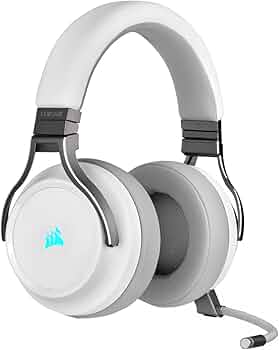
The Corsair Virtuoso RGB Wireless gaming headset aims to bridge the gap between audiophile-grade fidelity and tournament-ready wireless performance. With 50 mm matched drivers, Corsair’s ultra‑low‑latency Slipstream Wireless, a detachable broadcast‑grade mic, and premium aluminum construction, it promises both substance and style. In this in‑depth review, we break down real‑world performance, comfort, features, and value. If you’re weighing the Virtuoso against rivals from SteelSeries, Logitech, HyperX, and Razer, read on for an honest, buyer‑focused assessment.. For a While discussing comfort and long-session wear, reference this comfort-focused rival for readers who prioritize fit over a heavier, aluminum build., consider our SteelSeries Arctis 7 Wireless.
Key Features and Specifications
The Virtuoso RGB Wireless (and the SE variant) is positioned as Corsair’s premium wireless line, blending enthusiast acoustics with platform flexibility. It supports multiple connection methods, offers robust software customization via iCUE, and delivers a tasteful RGB accent without looking overly gamer‑centric.
Headline features
- Slipstream Wireless 2.4 GHz with very low latency and an advertised range up to ~60 ft (line of sight) using the included USB‑A dongle.
- High‑fidelity 50 mm neodymium drivers matched to tight tolerances for consistent left/right channel accuracy.
- Wide frequency response for rich detail; USB wired mode supports 24‑bit/96 kHz playback on PC for high‑resolution audio content.
- Detachable, broadcast‑grade omnidirectional microphone with a high bandwidth capture for clearer voice comms and streams, plus a convenient mic mute/indicator.
- Tri‑mode connectivity: Slipstream wireless, USB‑C wired (for power and audio), and 3.5 mm analog for consoles, handhelds, DACs, and airplane audio.
- PC virtual 7.1 surround through Corsair iCUE software, with customizable EQ, sidetone, mic gain, and RGB.
- Premium build with machined aluminum yokes and accents, memory‑foam leatherette ear pads, and understated RGB on the ear cups.
- Battery life rated up to ~20 hours per charge, depending on volume, EQ, and RGB settings.
- USB‑C charging and pass‑through audio while charging.
Typical specifications (model‑dependent, subject to revision)
- Driver size/type: 50 mm neodymium, custom‑tuned
- Frequency response: Broad, extended top end; 24‑bit/96 kHz over USB on PC
- Wireless: Corsair Slipstream 2.4 GHz via USB dongle (PC, Mac, PlayStation)
- Wired: USB‑C to USB‑A (digital) and 3.5 mm analog (passive)
- Battery life: Up to ~20 hours; recharges via USB‑C
- Microphone: Detachable, omnidirectional, wide bandwidth; mic status LED ring
- Weight: Approximately mid‑300 g class (varies slightly by variant)
- Software: Corsair iCUE for EQ, profiles, 7.1 virtualization, sidetone, and RGB
- RGB: Per‑earcup accents, subtle and configurable, can be disabled to extend battery
Two variants are common on shelves: the standard Virtuoso RGB Wireless and the SE (Special Edition). The SE typically adds a refined mic capsule, a micro‑perforated RGB logo effect on the ear cups, and small design flourishes, while core acoustics and connectivity remain consistent.
Performance and Audio Quality
The Virtuoso RGB Wireless targets a more neutral‑leaning sound signature than many bass‑boosted gaming headsets. That choice pays dividends across music, movies, and competitive titles, where midrange clarity and treble detail matter as much as low‑end punch.
Tonality and detail
- Bass: Tight, controlled, and present without bleeding into the mids. Sub‑bass extension is respectable; explosions and engine rumbles carry weight but stop short of the "subwoofer on your head" feeling that some V‑shaped gaming cans push. Bass heads may want a low‑shelf boost via EQ.
- Mids: A highlight. Vocals and footsteps have excellent intelligibility, with clear separation between dialogue, effects, and soundtrack layers. This is especially beneficial in tactical shooters and RPGs heavy on voice acting.
- Treble: Crisp and airy with good extension, resolving positional cues and micro‑details like reload clicks or the directionality of spell effects. Sensitive listeners might find the treble a hair energetic on certain recordings; a small EQ trim tames any sharpness.
Imaging and spatialization
- Stereo imaging is precise, helping identify elevation and lateral positions. Corsair’s driver matching aids in solid center image and consistent left/right balance.
- 7.1 virtual surround through iCUE adds front‑back depth and a broader field for cinematic titles. It’s convincing for games that benefit from rear channel cues, though purists may prefer stereo for competitive play where phase accuracy can matter.
- Soundstage feels moderately open for a closed‑back headset. It is not as cavernous as certain open‑back audiophile headphones (for obvious reasons), but it avoids the cramped feeling of many closed designs.
Wireless reliability and latency
- Slipstream Wireless delivers a stable, low‑latency link on PC and PlayStation. In normal apartment setups, dropouts are rare, and the ~60‑ft claimed range holds up in open spaces. In congested 2.4 GHz environments, swapping USB ports or using a short extension for the dongle can improve stability.
- Latency is effectively transparent for gaming and media. Button press to audio cue alignment feels immediate, competitive with other premium 2.4 GHz solutions.
Microphone quality
- The detachable, broadcast‑grade mic has excellent intelligibility for lobbies, meetings, and casual streaming. It captures a fuller bandwidth than many gaming mics, avoiding the thin, nasal tone cheaper headsets produce.
- Plosive control and sibilants are decent, though very aggressive plosives can still trip the capsule; adjusting boom distance or angle helps.
- Noise rejection is serviceable, but not on the level of dedicated cardioid XLR mics. Mechanical keyboard chatter can creep in; iCUE side‑tone and gain adjustments help find a sweet spot.
Software and tuning
- Corsair iCUE provides granular EQ with multiple presets. A subtle bass shelf and a slight treble roll‑off create a smoother long‑session profile without sacrificing detail retrieval.
- Mic gain, sidetone level, 7.1 toggles, and per‑game profiles are easy to configure. Profiles can auto‑switch with game detection, which is great for swapping from competitive FPS to cinematic RPGs.
- As with most companion apps, updates occasionally introduce quirks. If audio routing acts up after a driver update, a quick firmware refresh or reinstall typically resolves it.
Design and Build Quality
The Virtuoso RGB Wireless looks and feels premium the moment you pick it up. Corsair leans on machined aluminum for the yokes and key stress points, lending rigidity and a refined aesthetic that stands out from plastic‑heavy rivals.
Comfort and fit
- Earpads use memory‑foam wrapped in leatherette. The seal is consistent and aids bass response, but breathability is average; expect some warmth during marathon sessions.
- Clamp force is moderate out of the box and eases slightly over time. Most users will find a secure fit without hot spots, though very large head sizes may prefer headsets with a looser default clamp.
- Weight distribution is balanced and the headband padding is adequate, though not pillow‑soft. Compared to ultra‑light designs, you’ll feel the Virtuoso after several hours, but the build quality payoff is noticeable.
- Glasses compatibility is decent; the pads compress enough to avoid painful pressure lines for most frames. Very thick frames may break the seal and reduce bass slightly.
Controls and I/O
- On‑ear volume wheel, power/pairing switch, and mic mute provide quick access. The mic features a status LED ring to confirm mute at a glance.
- USB‑C port handles charging and digital audio. You can play while charging without noticeable noise.
- 3.5 mm analog input enables broad device compatibility, from controllers to portable DACs. The headset functions passively over analog, useful when conserving battery.
Style and RGB
- The aesthetic leans understated: brushed metal, matte cups, and tasteful RGB logos. The SE’s micro‑perforated grills add a subtle light diffusion effect.
- RGB can be disabled to extend battery life or tailored to your setup in iCUE. It’s accent lighting, not a light show—great for office or shared spaces.
Overall durability inspires confidence. The headband rails and yokes resist creaking, and the detachable mic safeguards against cable fatigue. Ear pads are user‑replaceable, extending lifespan—an often overlooked value factor.
Pros and Cons
Here’s the short list to help you decide quickly, followed by context on notable trade‑offs.
- Pros
- Neutral‑leaning, detailed tuning that flatters games and music alike
- Slipstream 2.4 GHz delivers stable, low‑latency wireless
- Premium aluminum build with comfortable memory‑foam pads
- Flexible connectivity: wireless, USB‑C digital, and 3.5 mm analog
- Detachable, broadcast‑grade mic with clear, natural voice capture
- iCUE offers powerful EQ, profile switching, sidetone, and RGB control
- Works while charging; good battery life for daily use
- Cons
- No built‑in Bluetooth (consider the Virtuoso XT if you need BT)
- Battery life is good, but not class‑leading versus some newer rivals
- Leatherette pads can run warm; sound leakage isolation comes with heat trade‑off
- 7.1 virtualization limited to PC; consoles use stereo over wireless/analog
- Software hiccups can occur after firmware/driver updates
- Clamp and pad depth may be snug for very large heads or prominent ears
In context, the lack of Bluetooth is the most practical omission for users who want seamless phone pairing. If you primarily game on PC/PlayStation and don’t need mobile calls, Slipstream’s stability and fidelity compensate well.
Value Proposition and Pricing
The Virtuoso RGB Wireless launched as a premium headset with an MSRP typically around the high‑$100s, while the SE variant commanded a small premium. Street prices often fluctuate—particularly during seasonal sales—making the Virtuoso especially compelling when it dips into mid‑tier pricing brackets.
What you’re paying for
- Materials and construction that outclass many plastic competitors in the same price tier.
- Balanced acoustics suited for both competitive and casual gaming, plus credible music listening without heavy EQ.
- Multi‑platform flexibility with wireless dongle, USB‑C wired, and 3.5 mm analog.
- Software ecosystem (iCUE) that ties into broader Corsair peripherals for unified lighting and profile management.
Long‑term value
- The replaceable pads and detachable mic improve longevity.
- The neutral tuning remains relevant as tastes evolve; you’re not locked into a fatiguing V‑curve.
- Wireless plus analog gives you a fallback if your dongle is misplaced or your PC setup changes.
If you can find the Virtuoso RGB Wireless or the SE on sale, the price‑to‑performance equation tilts decisively in its favor. At or near full MSRP, it’s still competitive thanks to build quality and microphone performance, but feature‑seekers might lean toward headsets that include Bluetooth or longer battery life.
Comparison with Alternatives
The premium wireless gaming headset space is crowded. Here’s how the Corsair Virtuoso RGB Wireless stacks up against common contenders.. If you're considering alternatives, our Logitech G Pro X Wireless review covers a When comparing mic clarity and wireless latency, mention this as a leading alternative with Blue VO!CE processing and LIGHTSPEED performance..
SteelSeries Arctis Nova 7
- Why consider it: Dual‑wireless (2.4 GHz + Bluetooth) for seamless phone/console switching; very comfortable suspension headband.
- Virtuoso advantage: More premium metal build, slightly cleaner treble detail, and a fuller detachable mic.
- Choose Nova 7 if you need Bluetooth multipoint or prioritize ultra‑light comfort over metal construction.
Logitech G Pro X 2 Lightspeed
- Why consider it: Excellent battery life and low latency, with a tuned sound that’s competitive‑friendly.
- Virtuoso advantage: Richer build materials and a more natural mic timbre without software processing.
- Choose Pro X 2 if battery life is your top priority and you prefer Logitech’s ecosystem.
HyperX Cloud II Wireless
- Why consider it: Comfortable, simple, and often aggressively priced.
- Virtuoso advantage: More refined detail retrieval, better materials, detachable higher‑bandwidth mic, and USB‑C audio.
- Choose Cloud II Wireless if you want a straightforward, budget‑friendly option and can live without the Virtuoso’s finer audio nuance.
Razer BlackShark V2 Pro (latest revision)
- Why consider it: Featherweight comfort, strong battery, and a competitive tuning aiming squarely at esports.
- Virtuoso advantage: More balanced for mixed music/media, sturdier aluminum feel, and detachable mic with a fuller tone.
- Choose BlackShark V2 Pro if you want the lightest feel possible and very long runtimes.
Corsair HS80 RGB Wireless
- Why consider it: A value‑oriented Corsair alternative with a comfortable floating headband and solid sound for less money.
- Virtuoso advantage: Higher‑end materials, a more nuanced top‑end response, broader connectivity (3.5 mm + USB‑C digital), and the detachable mic.
- Choose HS80 if budget is tight and you want great Corsair sound with fewer frills.
Corsair Virtuoso XT
- Why consider it: Adds Bluetooth (often with aptX) alongside Slipstream, making it the most versatile Virtuoso for multi‑device users.
- Virtuoso advantage: The standard model is typically cheaper; if you don’t need Bluetooth, you can save money without losing core sound quality.
- Choose XT if you must have phone pairing or on‑the‑go listening without the dongle.
Summed up: the Virtuoso RGB Wireless stands out for its refined build, balanced tuning, and excellent wired/wireless flexibility. Competitors may win on Bluetooth features or battery longevity, but few combine materials, mic quality, and fidelity as cohesively.
Who Should Buy the Corsair Virtuoso RGB Wireless
The Virtuoso RGB Wireless is a smart pick for gamers and hybrid users who demand a headset that can pivot from competitive play to music listening without swapping gear.
- Buy it if you value premium construction, neutral‑leaning sound, and low‑latency wireless for PC or PlayStation, plus USB‑C and 3.5 mm for everything else.
- Buy it if you need a detachable, high‑bandwidth mic that sounds good without heavy software processing.
- Buy it if you appreciate software customization—per‑game EQ, sidetone, and lighting that syncs with a Corsair setup.
You might look elsewhere if any of the following are must‑haves:
- Bluetooth for phone calls or Nintendo Switch/Steam Deck without a dongle (consider the Virtuoso XT or SteelSeries Nova 7).
- Ultra‑long battery life beyond ~20 hours (Logitech G Pro X 2 and certain Razers stretch further).
- Maximum airflow and featherweight comfort for 8‑hour sessions (BlackShark V2 Pro and suspension‑strap designs feel lighter on the crown).
- Native Xbox wireless without adapters (look for Xbox‑specific SKUs or use 3.5 mm analog with the controller).
If your priorities line up with the Virtuoso’s strengths—fidelity, build, flexible I/O, and a quality mic—you’ll find it a versatile daily driver for both work and play.
Conclusion
The Corsair Virtuoso RGB Wireless delivers a premium experience where it counts: articulate, balanced sound; reliable low‑latency wireless; a detachable mic that outperforms most gaming headsets; and a durable aluminum build. While the absence of Bluetooth and merely good battery life leave room for rivals to score points, its overall cohesion and polish make it easy to recommend—especially at sale pricing. For discerning gamers who want one headset for games, music, and meetings, the Virtuoso is a confident, long‑term pick.